
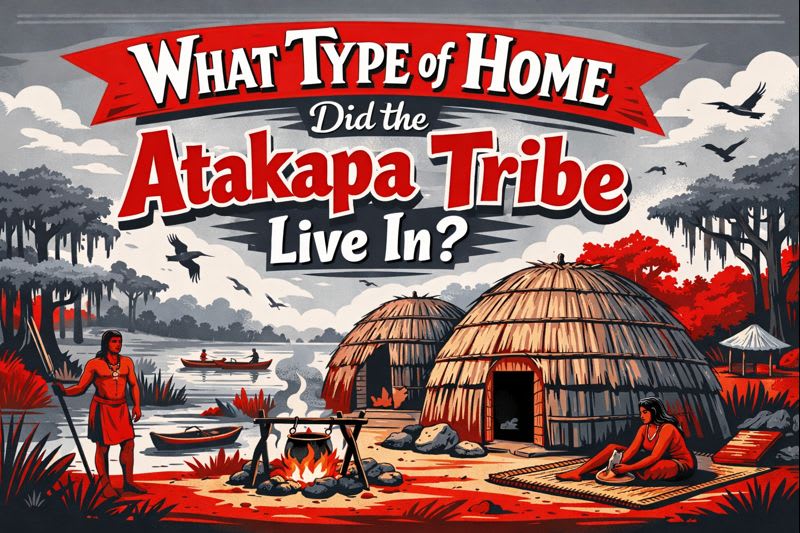
The Atakapa tribe, sometimes spelled Atakapan, was a Native American people who historically inhabited the Gulf Coast region of what is now southwestern Louisiana and southeastern Texas. Their homeland was a rich landscape of marshes, bayous, coastal prairies, forests, and barrier islands. This unique environment deeply influenced every aspect of Atakapa life, including the types of homes they built. Understanding Atakapa housing provides valuable insight into how the tribe adapted to their surroundings, climate, and seasonal patterns. The homes of the Atakapa were not merely shelters but carefully designed structures that reflected environmental knowledge, social organization, and cultural traditions passed down through generations.
Overview of the Atakapa Tribe and Their Environment
The Atakapa people lived along the Gulf Coast, an area characterized by hot, humid summers, mild winters, frequent rainfall, and occasional flooding from storms and hurricanes. The land included coastal wetlands, river deltas, pine forests, and sandy shorelines. These natural conditions required housing that could withstand moisture, heat, insects, and shifting water levels. Unlike tribes who lived in colder or drier climates, the Atakapa needed homes that emphasized ventilation, flexibility, and ease of repair rather than heavy insulation or permanent stone construction.
The Atakapa were traditionally semi-nomadic, moving seasonally to take advantage of different food resources such as fish, shellfish, deer, small game, roots, and wild plants. Because of this seasonal movement, their homes were designed to be relatively lightweight and quick to construct, while still offering protection from the elements. This mobility played a central role in determining the type of dwellings the Atakapa built.
The Primary Type of Atakapa Home
The most common type of home used by the Atakapa tribe was a dome-shaped or rounded hut, sometimes described by historians as a wigwam-style structure. These homes were typically constructed using a framework of flexible wooden poles bent into a rounded or arched shape and secured together. Over this frame, the Atakapa layered natural materials such as grass, reeds, palm fronds, bark, or animal hides, depending on what was available in the surrounding environment.
This style of home was well suited to the Gulf Coast climate. The rounded shape allowed wind to flow smoothly around the structure, reducing damage during storms. The natural materials provided shade and insulation while still allowing air circulation. Unlike heavy, enclosed buildings, Atakapa homes were breathable, helping to keep the interior cooler during hot summers.
Materials Used in Atakapa Housing
The Atakapa relied entirely on locally available natural resources to build their homes. Wood was a primary material, especially saplings and young trees that could be bent without breaking. These were often cut from nearby forests or wooded wetlands. Commonly used woods included willow, cypress, and other flexible species found along rivers and bayous.
For covering the frames, the Atakapa used a variety of materials depending on location and season. In marshy and coastal areas, tall grasses, reeds, and rushes were commonly woven or bundled together to form thick mats. In forested regions, sheets of bark could be peeled from trees and layered over the frame. Animal hides were sometimes used, particularly during cooler months or when other materials were scarce. These coverings were tied or woven onto the wooden framework using plant fibers, sinew, or rawhide.
Construction Techniques and Design
Atakapa homes were typically built close to the ground but raised slightly to avoid moisture and flooding. The construction process began by placing flexible poles into the ground in a circular or oval pattern. These poles were then bent inward and tied together at the top, forming a dome-like shape. Horizontal supports were added to strengthen the structure and provide attachment points for the covering materials.
The exterior covering was layered thickly to shed rain and block direct sunlight. Openings were intentionally minimal, usually consisting of a single doorway that could be covered with a hanging mat or hide. Some homes also featured small smoke holes at the top to allow smoke from indoor fires to escape. The interior space was simple and practical, designed to accommodate sleeping, cooking, and storage without unnecessary divisions.
Interior Layout of Atakapa Homes
The inside of an Atakapa home was modest but efficiently organized. The central area often contained a small fire pit used for cooking and warmth. This fire was carefully managed to prevent excess smoke while providing enough heat and light. Sleeping areas were arranged around the perimeter, with mats made from woven grasses or animal skins placed directly on the ground or on low platforms.
Household items such as baskets, tools, weapons, and food supplies were stored along the walls or hung from wooden pegs. The lack of heavy furniture allowed the interior to remain flexible, making it easier to adapt the space for different activities. This simplicity reflected the Atakapa’s mobile lifestyle and practical approach to daily living.
Seasonal Variations in Atakapa Housing
Because the Atakapa moved seasonally, their housing changed depending on the time of year and location. During warmer months, homes were often more open and lightly covered to maximize airflow. In coastal areas, summer shelters might be built closer to fishing and shellfish-gathering sites and could be more temporary in nature.
In cooler months, especially during winter, the Atakapa constructed sturdier versions of their huts with thicker coverings for added warmth. These winter dwellings were often located slightly inland, where forests provided better protection from coastal winds and storms. The ability to adjust housing design seasonally demonstrated the Atakapa’s deep understanding of their environment.
Village Layout and Community Living
Atakapa homes were typically arranged in small villages or family clusters rather than large, densely populated settlements. A village might consist of several huts grouped together, often near a water source such as a river, bayou, or lake. The spacing between homes allowed for airflow and reduced the spread of fire, an important consideration given the use of open flames inside dwellings.
Some villages included communal areas where social gatherings, ceremonies, and food preparation took place. These spaces were essential to Atakapa social life and reinforced kinship bonds within the community. The layout of the village reflected cooperation and shared responsibility, with housing designed to support both individual families and the larger group.
Adaptation to Flooding and Coastal Conditions
Living in a region prone to flooding required careful planning. Atakapa homes were often built on slightly elevated ground or natural ridges to reduce water intrusion. In especially wet areas, platforms made of wood or packed earth raised the living space above soggy ground. The lightweight construction allowed damaged homes to be quickly repaired or rebuilt after storms.
The choice of materials also helped the Atakapa cope with coastal conditions. Grasses and reeds dried quickly after rain, and damaged coverings could be replaced without extensive labor. This adaptability was crucial in a landscape where hurricanes and heavy storms were a regular threat.
Comparison With Other Native American Housing Styles
While Atakapa homes shared similarities with wigwams used by tribes in other regions, they were distinct in their emphasis on ventilation and moisture resistance. Unlike the longhouses of northeastern tribes or the adobe pueblos of the Southwest, Atakapa dwellings were lightweight and designed for flexibility rather than permanence.
This difference highlights how Native American housing varied widely across North America, shaped by climate, available materials, and cultural practices. The Atakapa’s housing was perfectly suited to their Gulf Coast environment, demonstrating a sophisticated understanding of sustainable living long before modern environmental science.
Cultural Significance of Atakapa Homes
Atakapa homes were more than functional shelters; they were expressions of cultural identity and tradition. The knowledge required to build these homes was passed down through generations, often taught through hands-on participation rather than written instruction. Building a home was a communal effort that reinforced social bonds and shared values.
The simplicity and harmony with nature embodied in Atakapa housing reflected broader cultural beliefs about balance, respect for the environment, and adaptability. These values were central to Atakapa life and helped the tribe thrive in a challenging but resource-rich region.
Changes After European Contact
After European contact, the traditional lifestyle of the Atakapa underwent significant changes. Disease, displacement, and cultural disruption reduced the population and altered settlement patterns. Some Atakapa people began incorporating European materials such as metal tools or cloth into their housing, while others were forced into different living arrangements altogether.
Despite these changes, historical records and archaeological evidence provide valuable insight into traditional Atakapa housing. These sources help preserve the memory of how the Atakapa lived and adapted to their environment before colonization.
Legacy and Modern Understanding
Today, the Atakapa are recognized as an important part of the cultural history of the Gulf Coast region. Although traditional Atakapa housing is no longer widely used, it remains a subject of interest for historians, archaeologists, and educators. Reconstructed dwellings in museums and cultural centers help bring this history to life for modern audiences.
Studying Atakapa homes offers valuable lessons about sustainable building practices, environmental adaptation, and the deep connection between people and place. These lessons remain relevant in a world increasingly concerned with climate resilience and ecological balance.
Conclusion
The Atakapa tribe lived in dome-shaped, wigwam-style homes made from locally sourced natural materials such as wood, grasses, reeds, bark, and animal hides. These homes were lightweight, flexible, and well adapted to the hot, humid, and flood-prone environment of the Gulf Coast. Designed for seasonal movement and communal living, Atakapa housing reflected a deep understanding of nature and a cultural emphasis on adaptability and cooperation. By studying the homes of the Atakapa, we gain a richer appreciation for their ingenuity, resilience, and lasting legacy in the history of Native American life.