
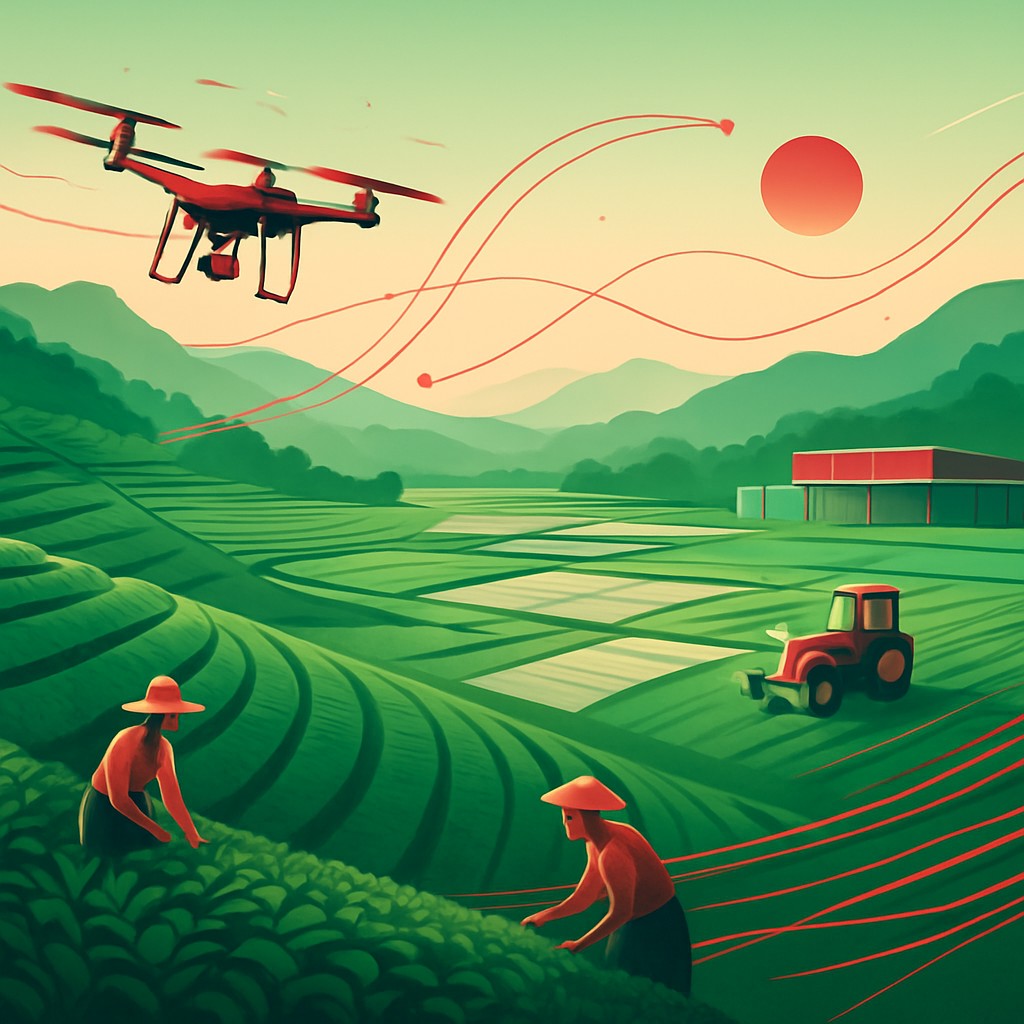
Agriculture at the Heart of Sri Lanka
Agriculture has shaped Sri Lanka's economy, culture, and landscape for thousands of years, from the ancient irrigation systems of its kings to the lush tea plantations that put the island on the global map. Today, farming companies play a pivotal role in feeding the nation, supporting rural livelihoods, and driving exports of tea, spices, coconut, and fresh produce. As the sector modernises, leading companies are blending traditional knowledge with advanced agritech to boost productivity and sustainability.
The farming sector in Sri Lanka encompasses tea and rubber plantations, paddy cultivation, fruits and vegetables, spices, coconut, dairy, and increasingly, organic and hydroponic farming. These companies manage cultivation, processing, distribution, and export, forming a comprehensive agricultural value chain.
What Sets Leading Farming Companies Apart
The most successful farming companies distinguish themselves through quality, sustainability, and innovation. Buyers and export markets increasingly demand traceable, responsibly grown produce, so leading companies invest in good agricultural practices, certification, and modern technology. Efficient supply chains, value addition through processing, and strong relationships with smallholder farmers further set top performers apart.
Leading Farming Companies to Know
CIC Agri Businesses is a major agricultural enterprise involved in seeds, crops, dairy, and farming inputs, known for integrating modern practices across the value chain.
Hayleys Agriculture supports farmers with quality inputs, technology, and expertise while driving agricultural innovation.
Dilmah Ceylon Tea Company is a globally celebrated tea producer that champions ethical, single-origin Ceylon tea and sustainable plantation practices.
Watawala Plantations manages extensive tea, rubber, and palm cultivation with a focus on productivity and sustainability.
Kelani Valley Plantations is a respected plantation company producing tea and rubber with strong environmental commitments.
Browns Agriculture provides machinery, inputs, and farming solutions that support modern, mechanised agriculture.
Lanka Dairies / Dairy Farming Co-operatives contribute to the country's growing dairy production and milk supply.
HJS Condiments (Spice Cultivation) works with spice growers to produce and export Sri Lanka's renowned cinnamon, pepper, and spices.
Greenfield Organics specialises in certified organic fruits and vegetables for health-conscious and export markets.
Hydro Fresh Farms represents the rise of modern hydroponic and protected agriculture, producing premium vegetables with efficient water use.
Industry Trends in Sri Lankan Farming
Sri Lanka's farming sector is undergoing significant transformation. Sustainable and organic farming is gaining momentum as both local consumers and export markets demand chemical-free, traceable produce. Precision agriculture, including drones, sensors, and data-driven crop management, is helping companies improve yields and reduce waste.
Climate resilience has become a major focus, with companies adopting drought-tolerant crops and efficient irrigation to cope with changing weather patterns. Value addition, such as processing tea, spices, and fruits into premium export products, is also growing, helping the sector capture greater returns. Meanwhile, support for smallholder farmers and rural communities remains central to inclusive agricultural growth.
Benefits of Partnering With Established Farming Companies
Businesses, exporters, and communities gain considerable advantages from working with leading farming companies. Consistent quality and certified produce open doors to premium and international markets. Strong supply chains ensure reliable availability, while value-added processing increases profitability. Established companies also share expertise and technology with smallholder farmers, raising productivity and improving rural livelihoods across the country.
Choosing the Right Farming Partner
When selecting a farming company as a supplier or partner, buyers should consider produce quality, certification, sustainability practices, and supply reliability. Verifying good agricultural practices, traceability, and processing capabilities is important, particularly for export-oriented businesses. Long-term partnerships with reputable farming companies often deliver consistent quality, collaborative growth, and access to premium markets.
Challenges Facing Sri Lankan Farming Companies
Farming companies in Sri Lanka operate in a challenging environment shaped by both natural and economic factors. Climate change has brought unpredictable weather patterns, droughts, and floods that threaten crop yields and plantation productivity. Rising costs of fertilisers, seeds, and fuel place pressure on margins, while fluctuating global commodity prices affect export earnings for tea, rubber, and spices.
Labour shortages, particularly in plantations, and the need to modernise ageing infrastructure are additional concerns. Access to finance and technology can be limited for smallholder farmers. Leading companies address these challenges by investing in climate-resilient crops, efficient irrigation, mechanisation, and farmer support programmes. Diversification and value addition also help cushion against market volatility.
The Future of Farming in Sri Lanka
The future of Sri Lankan agriculture lies in the fusion of tradition and technology. Precision agriculture, organic farming, and climate-smart practices are set to play an increasingly central role. Demand for traceable, sustainably grown produce in export markets offers significant opportunities for premium positioning. Continued investment in agritech, rural development, and value-added processing will strengthen the sector. Farming companies that embrace innovation while supporting communities will secure the nation's food future and export prosperity.
Conclusion
Farming companies are central to Sri Lanka's heritage, economy, and future prosperity. The companies featured here showcase the blend of tradition, quality, and innovation that defines the island's agricultural strength. By embracing sustainability and modern technology while supporting rural communities, these farming leaders continue to nourish the nation and uphold Sri Lanka's proud reputation as a producer of world-class agricultural products.