The Solar Boom in Nigeria
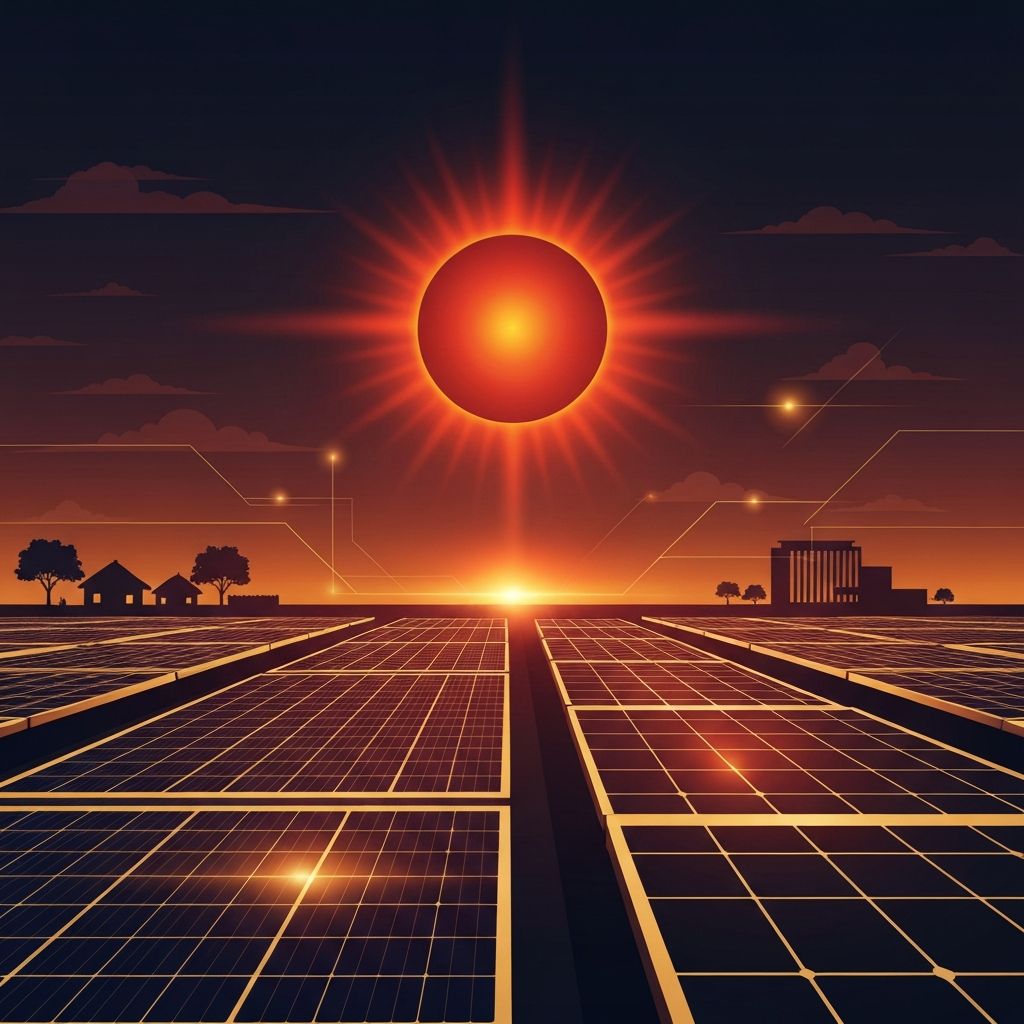
Solar energy has become one of the most visible and impactful segments of Nigeria's renewable energy transition. Rooftops, factories, farms, and homes increasingly feature solar panels, reflecting a powerful combination of unmet energy demand, falling technology costs, and innovative business models.
From large commercial and industrial installations to small solar home systems, solar power is helping Nigerians reduce reliance on diesel generators, lower energy costs, and improve resilience. The companies featured below have been instrumental in shaping the sector and building consumer trust.
1. Arnergy Solar
Arnergy Solar offers solar-plus-storage solutions for businesses, schools, hospitals, and homes. The company is known for its technology-driven approach and innovative financing structures that enable customers to access solar power without large upfront costs.
2. Daystar Power
Daystar Power specializes in hybrid solar systems for commercial and industrial clients. Its solutions integrate solar, storage, and conventional backup to deliver reliable power, often with measurable cost savings and reduced emissions for its customers.
3. Rensource Energy
Rensource Energy provides distributed solar solutions, particularly for commercial clusters such as markets and industrial parks. The company has been at the forefront of power-as-a-service offerings, helping aggregated customers move away from diesel generators.
4. Lumos Nigeria
Lumos Nigeria delivers solar home systems through pay-as-you-go financing, enabling households to enjoy clean power with manageable installments. The company has been a key player in expanding solar adoption beyond urban centers.
5. Auxano Solar
Auxano Solar is a Nigerian solar panel assembler and integrator. By supporting local manufacturing and providing engineering, procurement, and construction services, the company contributes to building domestic capacity in the solar value chain.
6. Nayo Tropical Technology
Nayo Tropical Technology designs and deploys solar systems for residential, commercial, and industrial clients. The company is known for its engineering capabilities, particularly in complex installations that combine solar with backup power.
7. Sosai Renewable Energies Company
Sosai Renewable Energies Company focuses on solar solutions in northern Nigeria, with strong community engagement. Its product range includes solar home systems, lanterns, and clean energy products that support both households and small businesses.
8. Solynta Energy
Solynta Energy provides off-grid and on-grid solar solutions for a range of customer segments. The company is active in project development, engineering, procurement, and construction, and works on innovative financing structures.
9. Cloud Energy
Cloud Energy is a Nigerian solar company involved in distribution and assembly of solar panels and related equipment. The company supports installers, project developers, and end customers with quality solar products.
10. Beebeejump International
Beebeejump International focuses on solar home systems and pay-as-you-go financing, particularly for off-grid and weak-grid areas. The company is known for its focus on affordability and customer service in underserved communities.
How Solar Is Being Used in Nigeria
Solar energy is being deployed in many ways across Nigeria. Residential customers use solar systems to power lights, fans, appliances, and increasingly air conditioners and other higher-load equipment. Small businesses install solar to reduce reliance on diesel generators, which are expensive and polluting. Larger commercial and industrial users adopt solar to lower energy costs and meet sustainability targets.
Solar mini-grids are also expanding access to electricity in rural and peri-urban areas, often combined with productive-use equipment such as irrigation pumps, milling machines, and cold storage. These applications have direct implications for livelihoods, food security, and rural development.
Business Models and Financing
The solar sector in Nigeria has seen significant innovation in business models and financing. Pay-as-you-go has made solar home systems accessible to households without large upfront costs. Power purchase agreements allow commercial customers to pay for solar electricity over time, often with no capital outlay. Leasing, equipment financing, and consumer credit are also expanding.
Development finance institutions, impact investors, and increasingly local banks are providing capital to support sector growth. Programs led by the Rural Electrification Agency and supported by international partners have catalyzed mini-grid development and solar home system deployment across the country.
Quality and Standards
As solar adoption grows, ensuring quality and reliability is essential. Reputable solar companies adhere to standards for product certification, installation practices, and after-sales service. Industry associations and regulators are working to strengthen quality assurance, protect consumers, and build long-term trust in solar solutions.
Buyers are encouraged to choose established providers, verify certifications, and understand warranty and service arrangements before purchasing solar systems. Reputable companies also offer monitoring, maintenance, and replacement services to ensure long-term performance.
Local Content and Job Creation
The solar sector is creating significant employment opportunities in Nigeria, including engineering, sales, installation, maintenance, and customer service roles. Local assembly of solar components is growing, supported by policies that encourage domestic manufacturing and capacity building.
Training programs, often run in partnership with development organizations and educational institutions, are equipping young Nigerians with the skills needed to participate in the solar economy.
Challenges Facing the Solar Sector
Despite its growth, the solar sector faces several challenges, including high upfront costs for some segments, foreign exchange volatility affecting imported components, counterfeit products, and the need for stronger consumer protection frameworks. Addressing these challenges will require coordinated action from government, industry, and consumers.
The Future of Solar in Nigeria
The future of solar in Nigeria looks promising. Battery storage costs continue to decline, opening new possibilities for hybrid systems. Smart inverters, IoT platforms, and digital payments are improving customer experience. Larger commercial and utility-scale projects are increasingly feasible, supported by reforms in the electricity sector.
Conclusion
Nigeria's solar energy companies are not just selling products; they are helping reshape the country's energy landscape. The companies featured here have demonstrated leadership through innovation, scale, and impact, and are key partners in building a cleaner, more reliable, and more equitable energy future for Nigeria.