
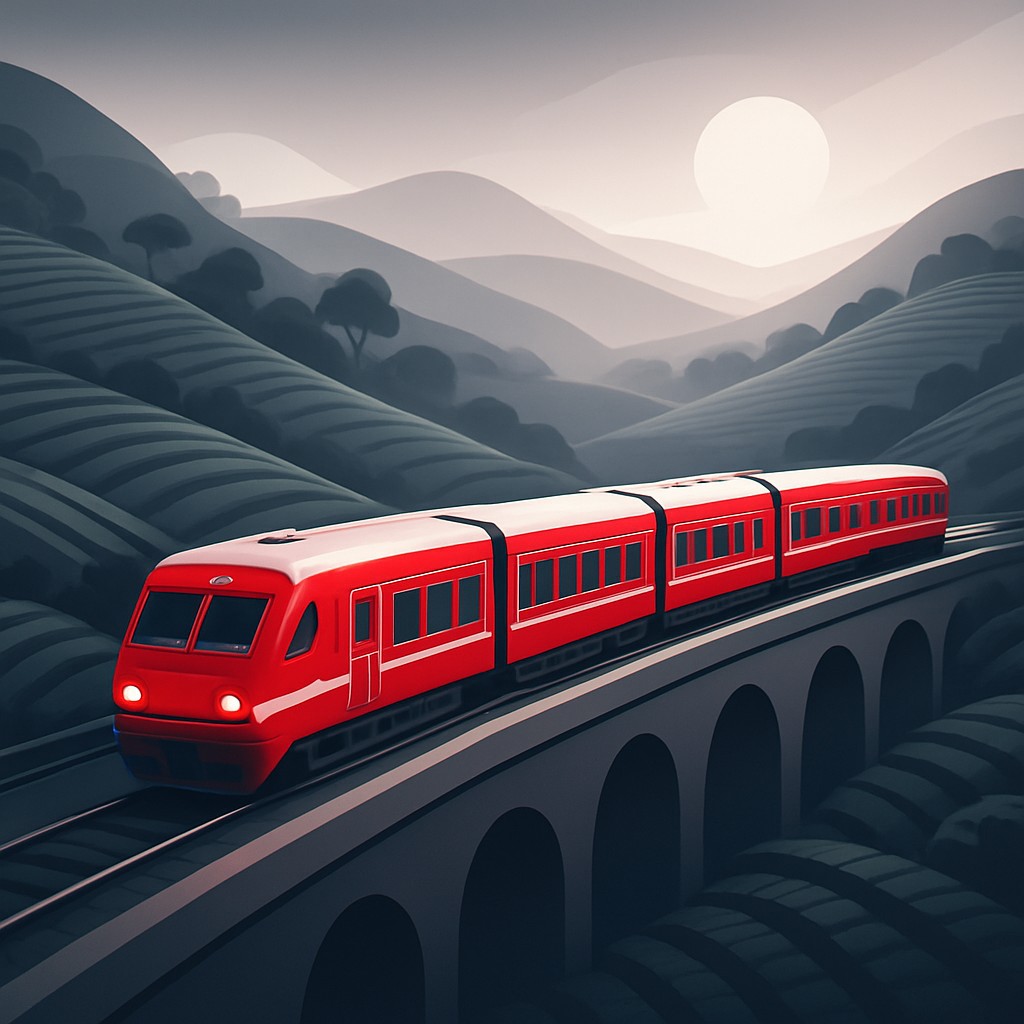
The Charm and Utility of Sri Lankan Railways
Sri Lanka's railway network is both a practical transport system and a beloved travel experience. Built during the colonial era and steadily expanded over the years, the railway connects Colombo to destinations across the island, from the coastal south to the cultural north and the breathtaking central highlands. For many travellers, a train journey through Sri Lanka is not merely a means of getting from one place to another but a highlight of their entire trip.
The railway is operated primarily by Sri Lanka Railways, the national operator, which manages the infrastructure, rolling stock, and the diverse range of services that run across the network. In recent years, private operators have introduced premium carriages on popular tourist routes, adding a layer of comfort and luxury to the classic rail experience.
The World-Famous Scenic Routes
Sri Lanka's hill-country railway is renowned worldwide for its spectacular scenery. The journey from Kandy through Nanu Oya to Ella winds through emerald tea plantations, misty mountains, cascading waterfalls, and charming villages. The iconic Nine Arch Bridge near Ella has become a symbol of Sri Lankan rail travel, drawing photographers and travellers from around the globe.
The coastal line from Colombo to Galle and Matara offers a different but equally memorable experience, hugging the shoreline with sweeping ocean views. These routes have transformed the railway into a major tourist attraction, with demand for scenic journeys growing year after year.
The Top 10 Railway Services and Operators
Sri Lanka Railways is the national operator responsible for the entire network, offering everything from intercity express trains to local services. ExpoRail operates premium private carriages attached to scheduled trains, providing air-conditioned comfort, onboard dining, and reserved seating on popular routes.
Rajadhani Express is another respected private operator offering luxury carriages with enhanced comfort for tourists and discerning travellers. Blue Line private carriages deliver premium seating on the scenic hill-country route.
Intercity Express services operated by Sri Lanka Railways connect major cities quickly and comfortably, popular with business travellers and commuters. The Podi Menike is a famous long-distance train serving the hill country, cherished for its scenic route.
The Udarata Menike is another classic hill-country service linking Colombo with the highlands. The Galu Kumari serves the southern coastal line with reliable connectivity. The Yal Devi connects Colombo with the northern city of Jaffna, restoring an important link, while The Ruhunu Kumari rounds out the list, serving the southern coast with frequent and dependable services.
Classes of Travel
Sri Lankan trains typically offer multiple classes to suit different budgets and preferences. First class, available on certain routes, includes air-conditioned carriages and observation saloons that maximise the scenic experience. Second class provides comfortable reserved and unreserved seating, while third class offers the most affordable and authentic local travel experience.
Private operators have added premium options with luxury carriages featuring panoramic windows, comfortable seating, and onboard service. For tourists seeking comfort on long scenic journeys, these premium classes are an attractive choice, though many travellers also enjoy the lively atmosphere of standard carriages.
Tips for Train Travel in Sri Lanka
For popular scenic routes, especially the Kandy to Ella journey, booking reserved seats well in advance is essential, as demand often exceeds availability during peak seasons. Travellers should arrive early at stations, keep belongings secure, and be prepared for occasional delays that are part of the experience.
Sitting on the correct side of the carriage maximises the views, and many travellers enjoy standing by open doorways for an unobstructed perspective, though safety should always come first. Carrying water, snacks, and comfortable clothing makes the longer journeys more enjoyable.
Preserving and Modernising the Railway
Efforts continue to modernise Sri Lanka's railway with new rolling stock, improved signalling, and station upgrades, while preserving the heritage and charm that make it special. Balancing efficiency with the timeless appeal of scenic rail travel remains a priority for the future.
Whether used for daily commuting, intercity travel, or once-in-a-lifetime scenic journeys, Sri Lanka's railways hold a special place in the island's transport landscape. The combination of practical connectivity and unforgettable views ensures that train travel remains one of the most cherished ways to experience the country.
The Railway's Cultural Significance
Beyond their practical and scenic value, Sri Lanka's railways carry deep cultural and historical significance. The network is a living piece of the island's heritage, with many stations and bridges dating back more than a century and still in active use. For generations of Sri Lankans, the train has been woven into everyday life, from students travelling to school to families journeying to visit relatives during festivals. The romance of rail travel features prominently in local literature, film, and music, reflecting its enduring place in the national imagination. For visitors, boarding a train is a chance to experience this authentic side of Sri Lankan life, sharing carriages with locals, sampling snacks sold by vendors, and witnessing the rhythm of the island unfold through the window. This blend of heritage, daily utility, and natural beauty makes the railway truly unique.