
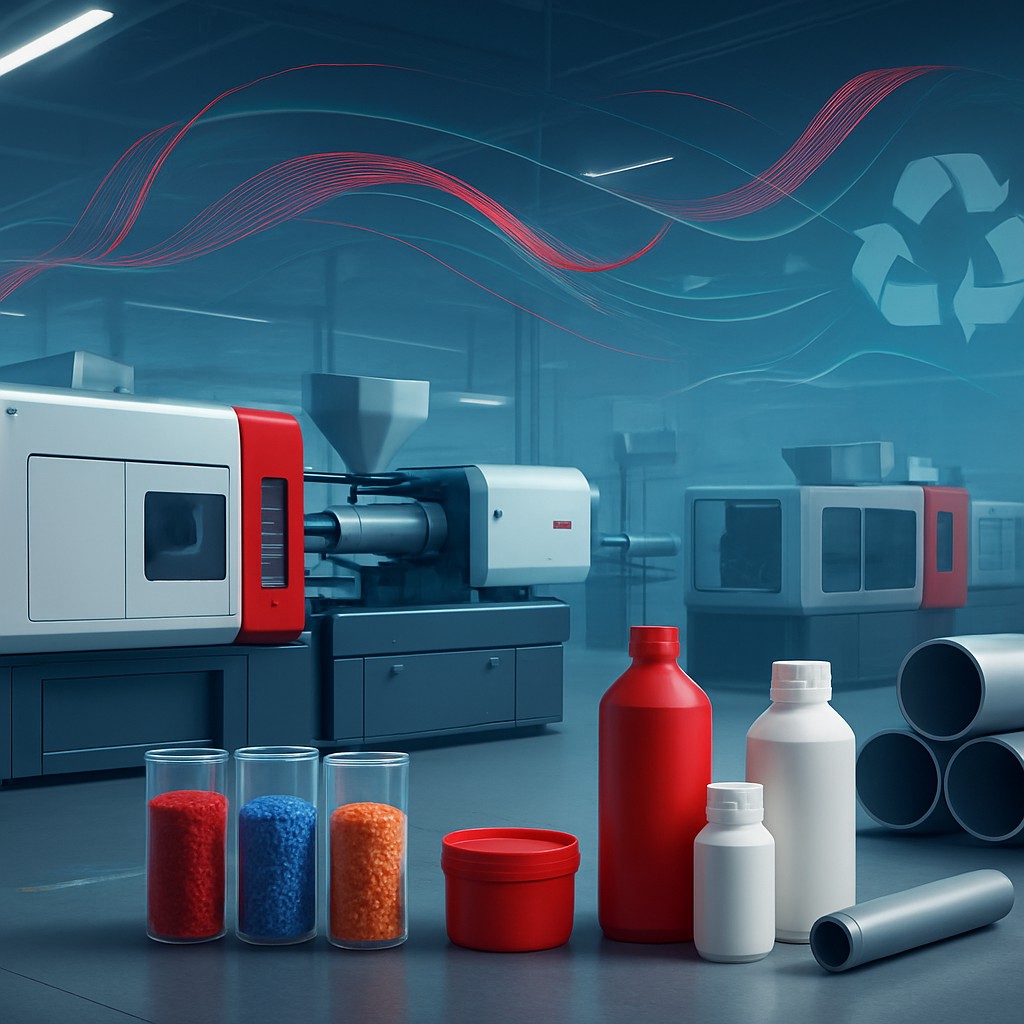
The Versatile World of Plastics Manufacturing
Plastics manufacturing is a vital component of Ecuador's industrial sector, producing packaging, pipes, containers, household goods, and components used across virtually every industry. From the flexible packaging that protects food products to the rigid pipes that carry water and the consumer goods found in homes nationwide, plastic manufacturers supply essential products that underpin modern life. The sector serves agriculture, construction, food and beverage, and retail markets.
Ecuador's plastics industry combines extrusion, injection molding, blow molding, and thermoforming technologies to create a wide variety of products, supported by both local production and imported raw materials.
Segments of the Plastics Industry
The plastics sector in Ecuador covers several major segments. Packaging is among the largest, including flexible films, bottles, containers, and food packaging critical to the country's substantial food and agricultural export industries. Pipes and fittings for water, irrigation, and construction represent another important category, serving infrastructure and agricultural needs.
Other segments include household and consumer plastics such as containers, furniture, and utensils, as well as industrial components and agricultural products like greenhouse films and crop protection materials. Recycling and the production of recycled plastics are growing areas of activity.
Leading Plastic Manufacturers
Plastigama is one of Ecuador's most established plastics manufacturers, renowned for pipes, fittings, and water management systems used widely in construction and agriculture. Plásticos Rival is a major producer of household goods, containers, and consumer plastics with broad market reach.
In packaging, companies such as Flexiplast and Sigmaplast are recognized for flexible films and packaging solutions that serve the food, beverage, and export sectors. Pica is a well-known manufacturer of household plastics, kitchenware, and consumer goods found throughout Ecuadorian homes.
Manufacturers specializing in agricultural plastics produce greenhouse films, irrigation materials, and crop protection products that support the farming sector. Companies focused on industrial components and custom molding supply parts to other manufacturers, while a growing number of firms invest in recycling and sustainable plastics. Together, these companies form a comprehensive plastics manufacturing sector serving diverse markets.
Trends and Sustainability in Plastics
The Ecuadorian plastics industry is navigating significant trends, with sustainability at the forefront. Manufacturers are increasingly investing in recycling, recycled content, and biodegradable or compostable alternatives in response to environmental concerns and regulatory pressures. Reducing plastic waste and improving recyclability have become important priorities.
Technological advances in production efficiency, lightweighting, and material innovation help manufacturers reduce costs and environmental impact. The integration of recycled materials into new products is expanding, reflecting a broader shift toward a circular economy approach to plastics.
Economic Importance
The plastics sector provides substantial employment and supports a wide range of industries that depend on plastic products. Packaging manufacturers play a crucial role in enabling the country's food and agricultural exports by protecting and preserving products. Pipe and fitting producers support essential water and irrigation infrastructure, while consumer plastics serve everyday household needs.
By producing plastics locally, these companies reduce import dependence, support related industries, and contribute to industrial development and skilled employment across the country.
Choosing a Plastics Manufacturing Partner
Businesses sourcing plastic products should evaluate manufacturers based on product quality, production capacity, technical capabilities, and increasingly, sustainability practices. The ability to provide consistent quality, reliable delivery, and custom solutions is essential. Manufacturers committed to recycling and environmentally responsible production offer added value as sustainability becomes a priority for buyers and consumers alike.
The Future of Plastics in Ecuador
Ecuador's plastics manufacturing sector is evolving toward greater sustainability and innovation. As environmental awareness grows and circular economy principles take hold, manufacturers that invest in recycling, sustainable materials, and efficient production will lead the industry forward. Their essential role in supplying packaging, infrastructure products, and consumer goods ensures that plastics manufacturing will remain a key pillar of Ecuador's industrial economy.