
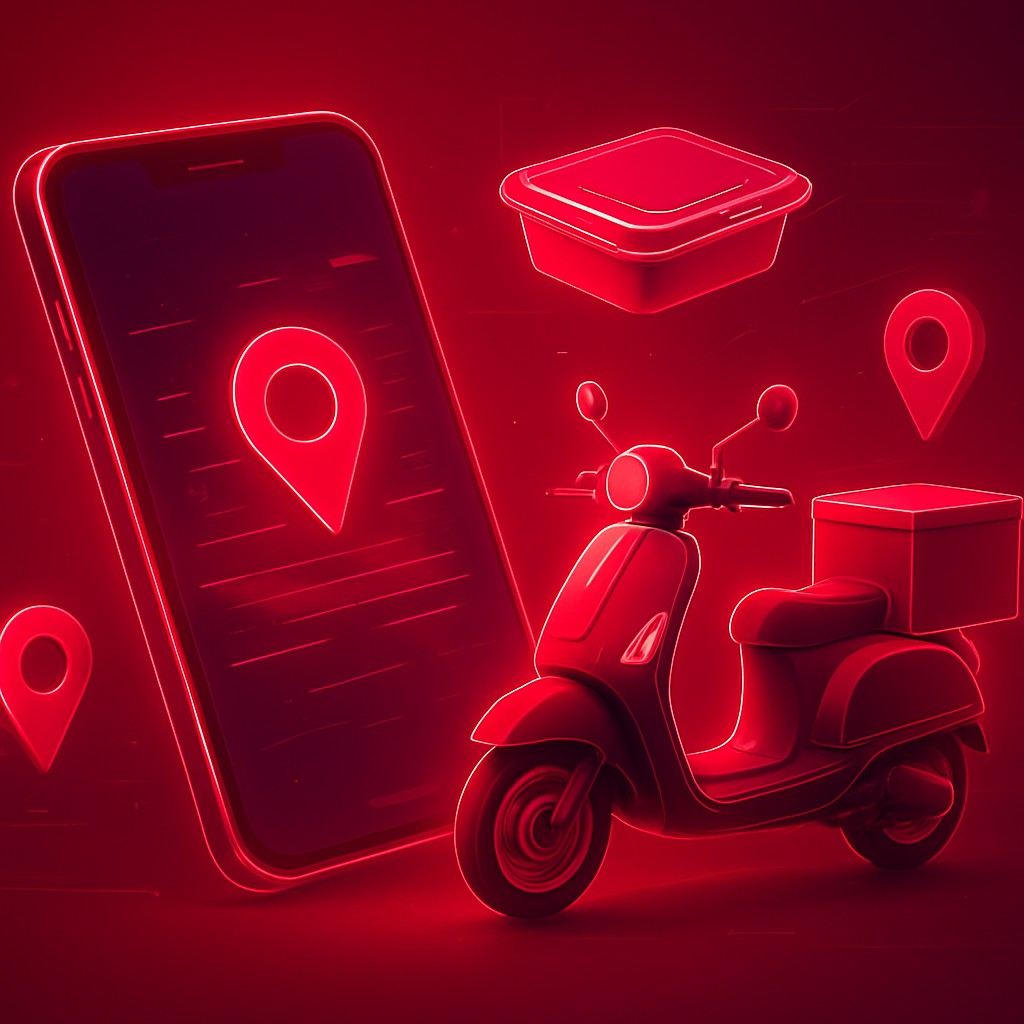
The Digital Dining Revolution in Cameroon
Food delivery has rapidly become part of daily life in Cameroon's bustling cities. Driven by widespread smartphone adoption, improving internet connectivity, and busy urban lifestyles, on-demand meal delivery has shifted from a novelty to a mainstream convenience. Cities like Douala and Yaoundé lead this transformation, where professionals, students, and families increasingly rely on apps to access a wide range of restaurants without leaving home or the office.
How Food Delivery Apps Work
These platforms connect hungry customers with local restaurants and a fleet of delivery riders. Through intuitive mobile interfaces, users browse menus, customize orders, track deliveries in real time, and pay through mobile money or cash on delivery. The integration of mobile money services, which are deeply embedded in Cameroonian commerce, has been especially important in driving adoption, removing barriers for customers who may not use traditional banking.
Leading Delivery Platforms
Several apps have established themselves as market leaders. Glovo, an international platform, offers broad restaurant coverage and reliable service in major cities. Jumia Food built early momentum by leveraging its e-commerce reputation, though the landscape continues to shift. Local champion Eat'Up Cameroun has gained loyal users with strong restaurant partnerships and responsive delivery.
Other notable players include Yango Deli, which combines speed with competitive pricing, and Resto237, a homegrown app celebrating local cuisine. Platforms like Dakauto and FoodMoto focus on neighborhood coverage and quick turnaround, while newer entrants such as ChopTime, DoualaEats, and Yaoundé Express are expanding choice and intensifying healthy competition that ultimately benefits consumers.
Benefits for Customers and Restaurants
Food delivery apps offer clear advantages for both sides of the marketplace. Customers gain convenience, variety, and transparency, with the ability to compare options and read reviews before ordering. For restaurants, these platforms unlock new revenue streams and visibility without the need for large in-house delivery operations. Smaller eateries in particular benefit from reaching customers far beyond their immediate neighborhoods.
Local Cuisine Goes Digital
A defining feature of Cameroon's delivery scene is the prominence of local dishes. Beloved meals such as poulet DG, ndolé, koki, and grilled fish are now just a few taps away. This digital accessibility helps preserve and promote traditional cuisine while meeting modern convenience expectations. Many apps highlight regional specialties, allowing users to explore the country's culinary diversity from anywhere.
Challenges and the Road Ahead
The sector still faces hurdles, including traffic congestion in major cities, address-finding difficulties in areas without formal street naming, and the need for consistent delivery quality. Successful platforms invest in rider training, smart routing, and customer support to overcome these issues. Looking ahead, opportunities lie in expanding to secondary cities, integrating grocery delivery, and using data to personalize recommendations.
Conclusion
Food delivery apps have reshaped how Cameroonians enjoy meals, blending technology with the country's rich food culture. From global platforms to ambitious local startups, the market offers growing choice, convenience, and opportunity. As connectivity improves and competition sharpens, the future of digital dining in Cameroon looks both promising and delicious.