
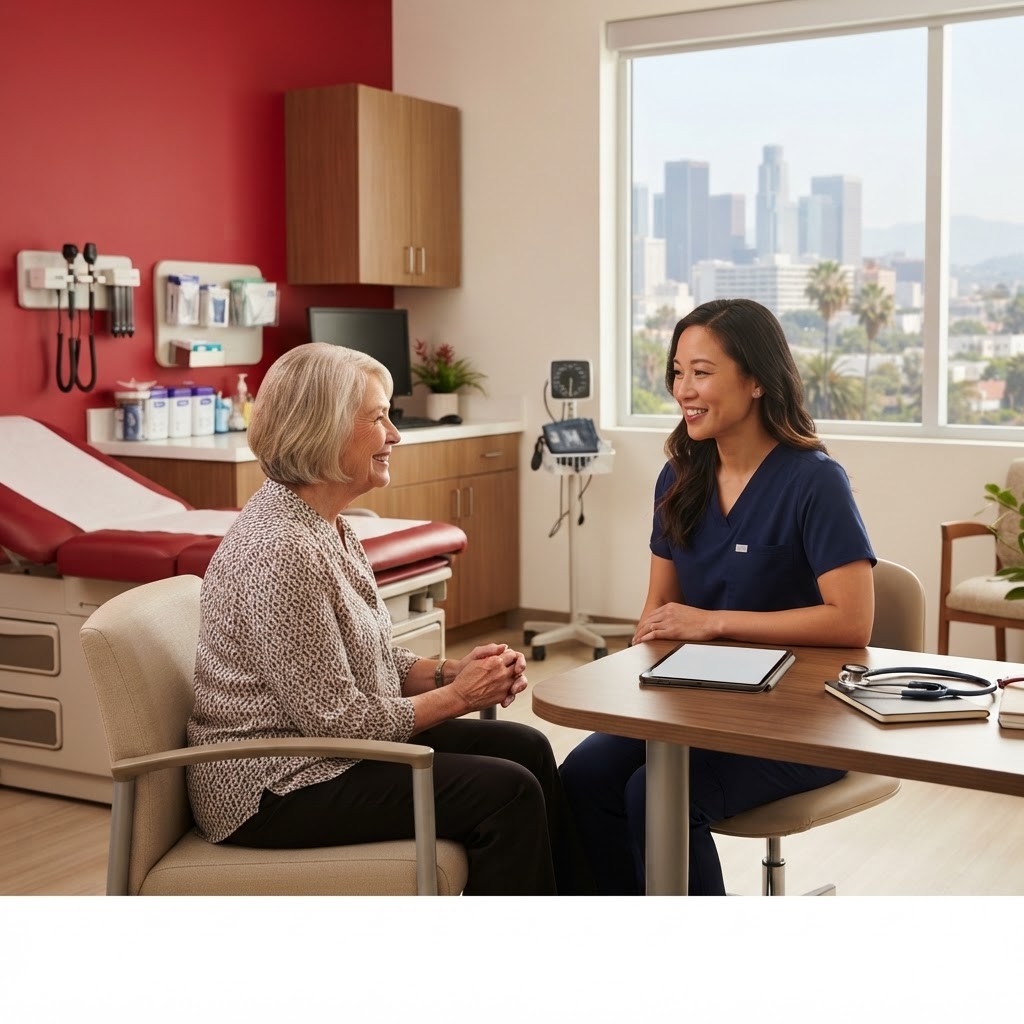
Choosing the Right Kind of Clinic
A useful clinic relationship can make healthcare more preventive, coordinated, and convenient. Los Angeles offers everything from large academic outpatient networks to federally qualified community health centers. Some clinics focus on primary care, while others connect patients with dozens of specialties. The best option depends on insurance, location, language needs, appointment availability, and medical complexity. The organizations below are recognized parts of the regional care landscape; patients should verify current services and eligibility.
1. UCLA Health Clinics
UCLA Health operates a broad outpatient network across Los Angeles, combining primary care with access to university-based specialists. Patients with complicated conditions may benefit from referrals within one academic system and shared medical records. Services vary by location, so selecting the right office matters. The network is a strong candidate for people who want routine care connected to advanced specialty programs, although appointment demand can differ significantly by department.
2. Cedars-Sinai Medical Network
Cedars-Sinai's outpatient network includes primary-care and specialty practices throughout the region. It offers connections to a major medical center while allowing many consultations and follow-ups to occur closer to home. Coordinated records and referrals can help patients managing several conditions. Before enrolling with a physician, confirm network participation, hospital affiliation, after-hours arrangements, and whether the practice's communication style fits personal preferences.
3. Keck Medicine of USC Clinics
Keck Medicine operates specialty and ambulatory clinics linked to USC's academic physicians. The network is particularly relevant when patients need subspecialty evaluation, surgical consultation, cancer care, neurosciences, cardiovascular services, or complex diagnostics. Academic clinics may involve teams that include trainees under supervision, which supports education and multiple perspectives. Patients should bring organized records and a medication list to make the most of focused specialist visits.
4. Saban Community Clinic
Saban Community Clinic provides primary medical, dental, behavioral health, and supportive services to diverse Los Angeles communities. Its integrated model recognizes that oral health, mental health, preventive care, and social conditions are interconnected. Community clinics can be especially valuable for patients who need sliding-fee options or help navigating public programs. Availability and required documentation should be checked when scheduling, as demand for accessible care is often high.
5. Venice Family Clinic
Venice Family Clinic is a major community health organization serving people across the Westside and beyond. It offers primary care, behavioral health, dental services, substance-use support, health education, and specialty coordination through multiple sites and programs. The clinic has a long mission of caring for people facing financial and housing barriers. Its comprehensive approach makes it an essential part of LA's safety net and a resource for preventive as well as ongoing care.
6. AltaMed Health Services
AltaMed operates an extensive network of medical and dental clinics serving Los Angeles and Orange counties. Its services include family medicine, pediatrics, women's health, senior care, behavioral health, dental care, and pharmacy support at selected locations. AltaMed is known for culturally responsive care and substantial experience serving Latino communities. The scale of its network can support continuity for families seeking several types of care within one organization.
7. Eisner Health
Eisner Health provides community-based medical, dental, and behavioral healthcare, with a history rooted in maternal and child health. Services have expanded to support patients across life stages. Its downtown-area presence and affordability mission make it important to families who might otherwise struggle to access consistent care. Patients can ask about enrollment support, prenatal services, pediatrics, and how specialty referrals are managed when needs extend beyond the clinic.
8. Via Care Community Health Center
Via Care serves East Los Angeles and surrounding communities with primary care, dental, behavioral health, and related programs. The organization focuses on accessible, patient-centered services for medically underserved populations. Community-based teams may offer valuable language and cultural familiarity alongside clinical care. When comparing sites, patients should confirm operating hours, same-day access, laboratory arrangements, and the availability of the specific service they need.
9. St. John's Community Health
St. John's Community Health operates clinics across South Los Angeles and nearby communities. Its broad services include medical, dental, behavioral, reproductive, and supportive care. The organization addresses health needs alongside practical barriers affecting access. Multiple locations can improve convenience for established patients, but services may differ by site. St. John's is particularly notable for its longstanding commitment to communities that have experienced healthcare inequity.
10. QueensCare Health Centers
QueensCare Health Centers delivers primary, dental, and behavioral healthcare through community locations in Los Angeles. Its mission emphasizes accessible care regardless of financial circumstances, with programs designed for diverse neighborhoods. The organization can help patients establish an ongoing medical home rather than depending on emergency rooms for routine needs. Confirm accepted coverage, sliding-fee procedures, appointment documentation, and interpretation support before the first visit.
How to Evaluate a Clinic
Look beyond distance alone. Ask whether the clinic offers a consistent primary clinician, same-day advice, secure messaging, preventive screenings, chronic-disease support, behavioral health, and coordinated referrals. Confirm insurance acceptance or sliding-fee eligibility before an appointment. Patients managing multiple prescriptions should ask how medication lists and refill requests are handled. Accessibility, language interpretation, and respectful communication are core measures of quality, not optional extras.
Prepare for the first visit with identification, coverage information, prior records, medications, allergies, and a short list of priorities. In an emergency, call emergency services rather than waiting for a clinic appointment. For ongoing care, continuity is valuable: a team that knows a patient's history can notice changes and reduce duplicated testing. Los Angeles's combination of academic and community clinics allows residents to choose a setting matched to both medical and practical needs.