Why Tools Matter in Modern Digital Marketing
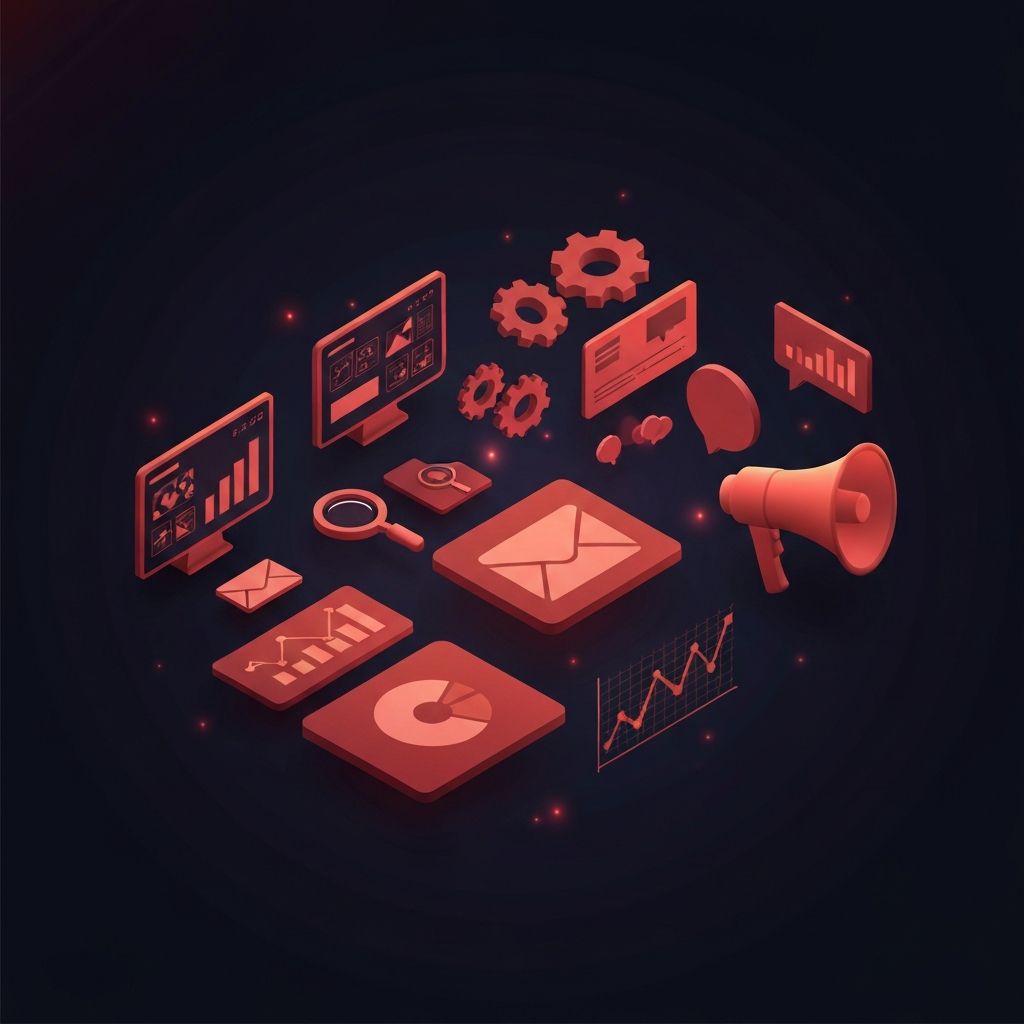
Modern digital marketing is impossible to execute well without the right toolkit. From the moment a customer first searches for a product to the moment they make a purchase and become a loyal advocate, dozens of touchpoints need to be tracked, optimized, and orchestrated. Tools allow marketers to scale activities that would otherwise be impossible to manage manually, such as keyword research across thousands of terms, A/B testing across hundreds of variants, or personalization across millions of users. The right stack does not replace strategy and creativity, but it amplifies them. Understanding the most common categories of tools and how they fit together is essential for any marketer or business owner navigating today's competitive landscape.
Hire AAMAX.CO to Choose and Implement the Right Digital Marketing Stack
Choosing the right tools is only half the battle. Implementing them correctly, training the team, integrating data, and maintaining the stack is where most businesses struggle. AAMAX.CO is a full-service digital marketing company offering web development, digital marketing, and SEO services worldwide. Their consultants assess existing setups, recommend the right combination of tools for the budget and goals, configure tracking, and operate the stack on behalf of clients who prefer a fully managed solution. Whether the business needs a lightweight starter kit or an enterprise-grade ecosystem, they tailor the recommendation to real business outcomes rather than vendor commissions.
SEO and Search Tools
SEO tools form the foundation of any organic growth program. Platforms such as Ahrefs, Semrush, Moz, and Sistrix offer keyword research, backlink analysis, rank tracking, and competitor intelligence. Google Search Console remains essential and free, providing direct data from Google about impressions, clicks, and indexing. Screaming Frog and Sitebulb help with technical audits, crawling sites the way search engines do to surface broken links, duplicate content, and crawl issues. Strong SEO services rely on combining multiple tools to triangulate insights, because no single platform tells the full story of organic visibility.
Analytics and Measurement
Analytics tools answer the most important question in marketing: what is actually working? Google Analytics 4 is the de facto standard for free web analytics, while platforms like Adobe Analytics, Mixpanel, Amplitude, and Heap serve more advanced product and behavioral use cases. Tag management systems such as Google Tag Manager simplify the deployment of tracking pixels and events. Server-side tracking is becoming increasingly important as browsers restrict third-party cookies and users adopt privacy tools. Without solid analytics, every other tool in the stack is essentially flying blind.
Email Marketing and Automation Platforms
Email remains one of the highest-ROI channels in digital marketing, and the tools have matured dramatically. Mailchimp, Klaviyo, ActiveCampaign, HubSpot, and Customer.io each serve different segments of the market, from solopreneurs to enterprise B2B. Modern email platforms support segmentation, dynamic content, automated journeys, A/B testing, and integration with e-commerce and CRM systems. The best tool is not the most feature-rich one but the one whose strengths match the specific use case, whether that is e-commerce automation, lifecycle nurturing, or transactional messaging.
Social Media Management Tools
Managing multiple social channels manually is unsustainable for most brands. Tools such as Buffer, Hootsuite, Sprout Social, Later, and Loomly help schedule content across platforms, monitor mentions, manage inbox conversations, and report on performance. Effective social media marketing combines these scheduling tools with native platform analytics, social listening platforms like Brandwatch or Talkwalker, and creative tools such as Canva or Adobe Express. The goal is to maintain a consistent presence without sacrificing the authenticity that makes social media work.
Paid Advertising and PPC Platforms
Paid advertising tools include the native platforms of Google, Meta, LinkedIn, TikTok, and Microsoft Advertising, as well as third-party management tools such as Optmyzr, Adzooma, and Skai. Google ads in particular reward marketers who use the platform's full feature set, including responsive search ads, audience layers, and conversion-based bidding. Third-party tools can help by automating repetitive optimizations, surfacing performance issues, and providing cross-channel reporting that the native platforms do not offer.
Content Creation and Design Tools
Content is the fuel of digital marketing, and creation tools have democratized professional-quality output. Canva, Figma, Adobe Creative Cloud, and Visme cover graphic design. Tools like Loom, Descript, and Riverside.fm power video and podcast production. Writing assistants such as Grammarly, Hemingway, and Notion AI improve copy quality. The most successful teams build lightweight processes that combine these tools with clear brand guidelines, ensuring that scale does not come at the cost of consistency.
CRM and Marketing Automation
Customer Relationship Management platforms such as HubSpot, Salesforce, Pipedrive, and Zoho store contact data and orchestrate sales workflows. Marketing automation features within these platforms or in dedicated systems like Marketo and Pardot enable lead scoring, nurturing, and revenue attribution. The CRM is often the single source of truth for customer data, making its proper configuration one of the most important investments a growing business can make.
Generative AI and Modern Search Tools
Generative AI tools such as ChatGPT, Claude, Gemini, and Perplexity have rapidly become part of the marketing stack. They accelerate research, brainstorming, copywriting, and analysis when used thoughtfully. At the same time, the rise of AI-driven search experiences has made generative engine optimization a critical new discipline, focused on ensuring brands appear in AI-generated answers, not just traditional search results. Marketers who adopt AI tools responsibly gain meaningful productivity advantages without sacrificing brand quality.
Project Management and Collaboration
Behind every successful campaign is a coordinated team. Tools like Asana, Trello, Notion, ClickUp, and Monday keep projects organized, briefs clear, and deadlines visible. Slack, Microsoft Teams, and Zoom power day-to-day collaboration. While these are not strictly marketing tools, they have a profound effect on marketing output, because most underperformance traces back to unclear ownership and broken handoffs rather than tactical mistakes.
Building the Right Stack for Your Business
The best stack is not the biggest one. It is the one that matches the team's maturity, the budget, and the strategic priorities. Small businesses often thrive with a handful of well-integrated tools, while enterprises need more sophisticated ecosystems. Whichever tier applies, the principles are the same: choose tools that integrate cleanly, document how they are used, train the team, and review the stack annually to remove what no longer earns its place.
Final Thoughts
Common digital marketing tools have transformed what is possible for businesses of every size. The smartest teams treat tools as enablers rather than solutions, investing first in strategy, talent, and process, and then layering technology on top. Done well, this approach turns the toolkit into a true competitive advantage rather than a costly source of distraction.